awakkuna territorial encounters
launching spring 2027
medellín - santa elena | antioquia, colombia
About
Awakkuna Residencies are currently in development and are designed to bring together academics, researchers, curators, cultural practitioners, and institutions for immersive place-based learning experiences in the Colombian Andes.
A future gathering space for academics, researchers, curators, and cultural practitioners interested in exploring Latin America through cultural intelligence, territorial learning, and relational engagement.
why territorial learning?
Most international programs about Latin America teach participants about the region.
Awakkuna begins somewhere different.
We believe that some forms of understanding cannot emerge from distance alone. They require sustained attention to territory, relationship, and lived encounter.
Colombia is not simply the setting for the residency. It is one of its teachers.
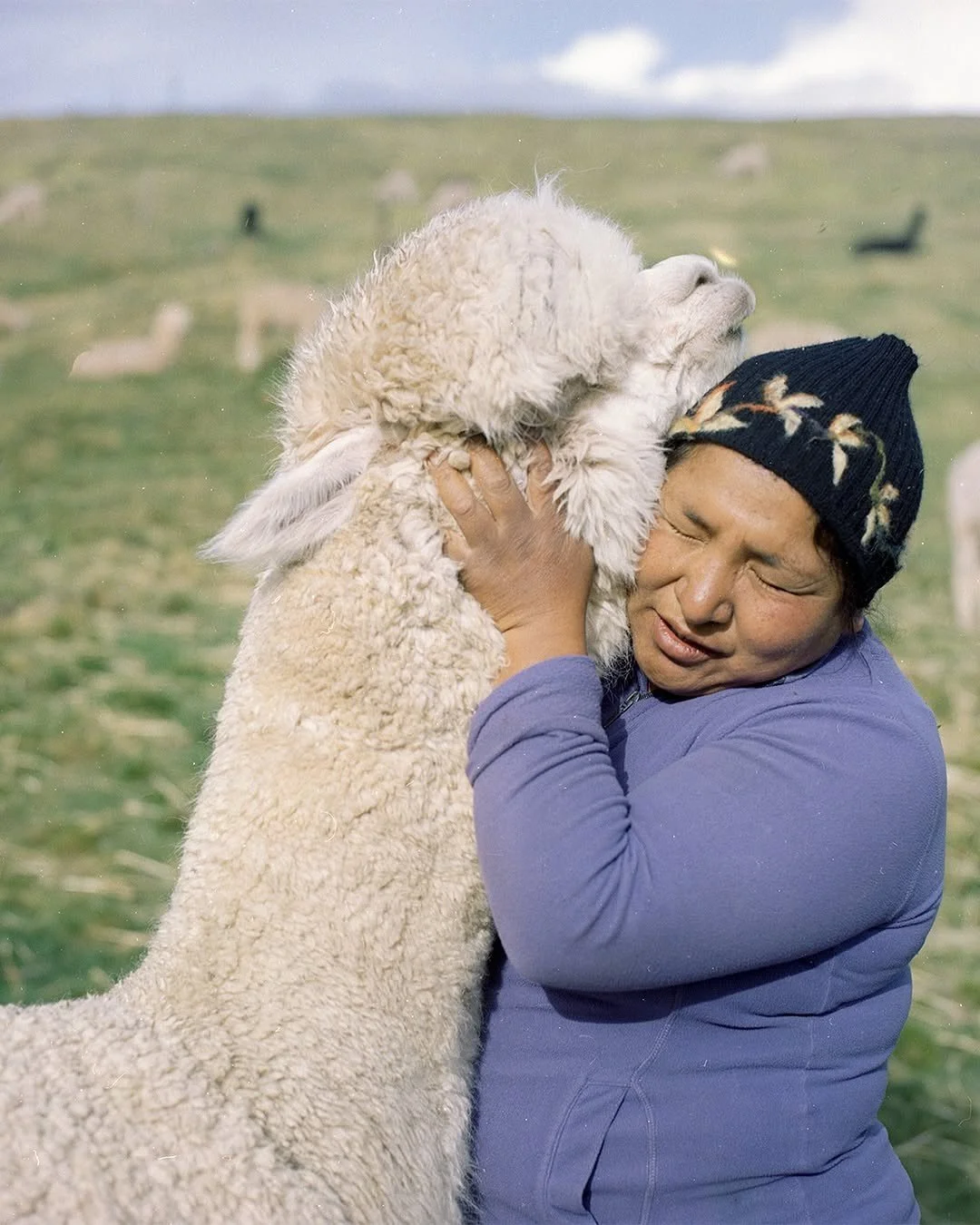
Here, conversations continue while walking mountain paths, preparing meals together, listening to local practitioners, observing ecological systems, and remaining present long enough for different questions to emerge.

Rather than approaching latin america as a destination to be interpreted, participants are invited to enter into relationship with a living territory.
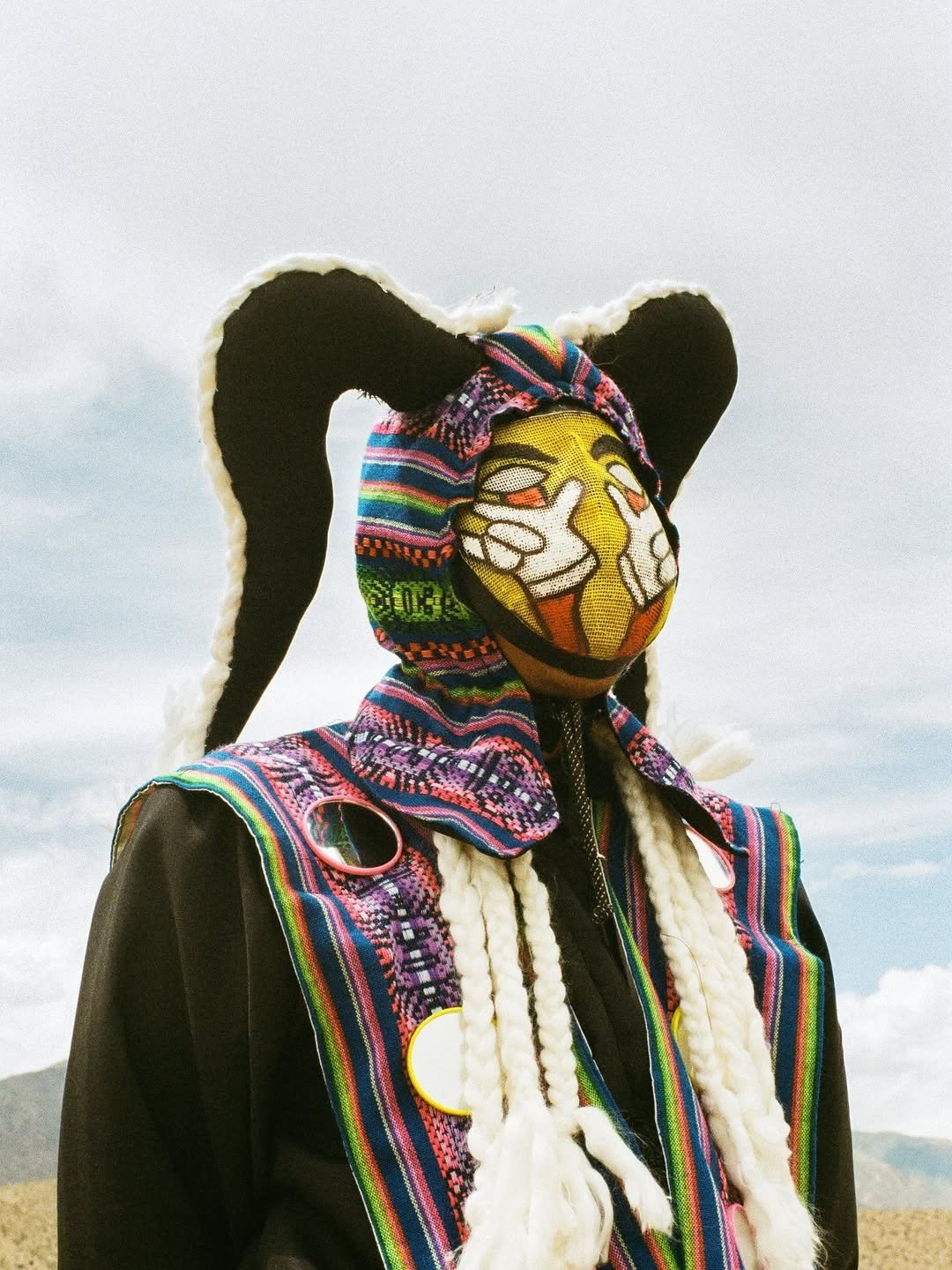
where histories, knowledge systems, and everyday practices become active participants in the learning process.
These territorial encounters are not designed to provide answers about Latin America.
they are, designed to reshape the questions participants bring home.
Medellín
〰️
Santa Elena
〰️
Antioquia
〰️
Colombia
〰️
Medellín 〰️ Santa Elena 〰️ Antioquia 〰️ Colombia 〰️
THE DETAILS
This sample itinerary illustrates the kind of immersive, place-based learning experience being developed for the 2027 Awakkuna TERRITORIAL ENCOUNTERS program.
The structure is designed to move participants from arrival and orientation through deep territorial encounter, field immersion, and collective reflection — honoring the sentipensante principle that genuine understanding emerges through presence, not only analysis.
DATE(S)
spring 2027 (global north cohort) - TBD
Summer 2027 (LATAM Cohort) - TBD
CAPACITY
30 PARTICIPANTS
language
English (Global North cohort) / Spanish (LATAM cohort)
Location
Medellín & Santa elena - Antioquia, Colombia
Below is a sample 4-day experience illustrating the type of territorial experience currently being developed.
For Academic, Curatorial & Cultural Practitioners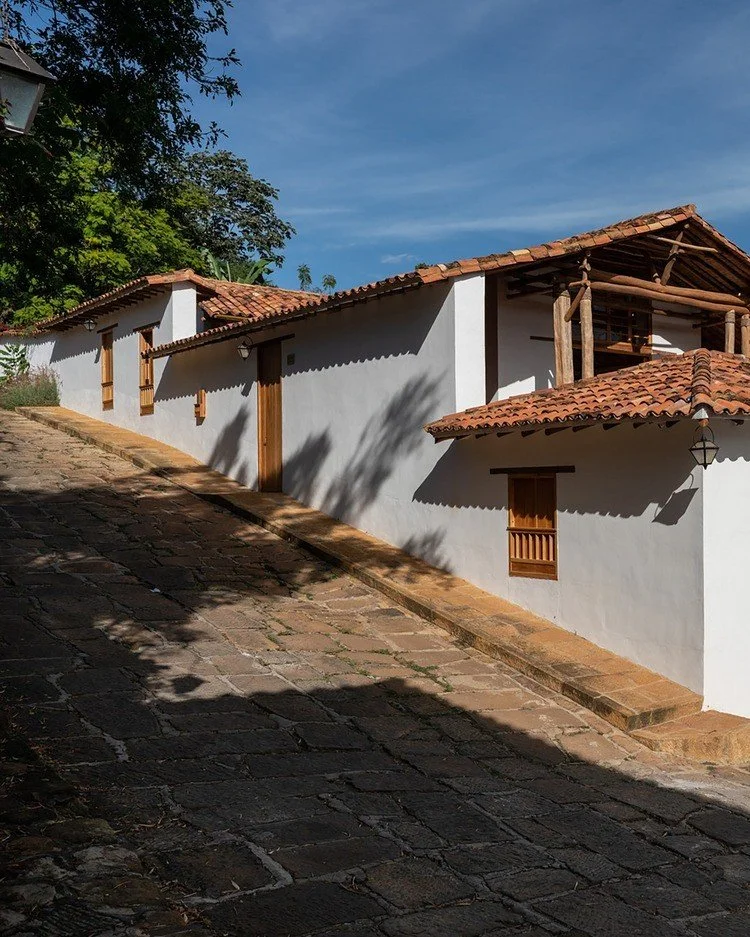
A Four-Day Journey Through Territory
-
Arriving in Territory
Threshold · Orientation · First Encounter
Participants begin by entering the territory through relationship rather than observation. Together, we establish the conceptual foundations of Awakkuna while beginning the practice of reading the landscape through cultural, historical, and relational intelligence.
-
Deep Territorial Encounter
Immersion · Living Knowledge · Collective Intelligence
Through embodied learning, collective inquiry, and dialogue, participants explore how territorial intelligence transforms research, curatorial practice, strategic foresight, and cultural work.
-
Field Immersion
Territory · Community · Living Archive
An immersive journey through Santa Elena and the surrounding Andean landscape, engaging with local communities, cultural practitioners, and the territory itself as living sources of knowledge.
-
Sentipensante Futures
Integration · Commitment · Closing Threshold
The residency concludes by integrating the experience into each participant's own practice, inviting concrete commitments grounded in reciprocity, relational accountability, and the futures made possible through territorial intelligence.
Each Territorial Encounter unfolds as a four-day journey through relationship, inquiry, and the living intelligence of the territory. While every encounter responds to its place and participants, the experience follows a shared arc of immersion, reflection, and collective learning.

Frequently Asked Questions
-
The residency is designed for academics, graduate students, doctoral researchers, curators, museum professionals, cultural practitioners, institutional leaders, and organizations interested in engaging more deeply with Latin America through cultural intelligence, territorial learning, and relational practice.
Participants do not need to work within a single discipline. The residency is intentionally interdisciplinary, creating space for conversations across research, curatorial practice, design, education, cultural policy, and institutional leadership.
-
No. The residency welcomes participants with varying levels of familiarity with Latin America. What matters most is curiosity, openness, and a willingness to learn through relationship rather than assumption.
Awakkuna is designed to meet participants where they are while inviting deeper forms of engagement with the histories, knowledge systems, and living realities of the territory.
-
Yes. Residencies will generally be organized in English for international cohorts and in Spanish for participants from Latin America, allowing conversations to unfold with greater linguistic and cultural depth.
Future mixed-language and institutional cohorts may also be developed.
-
Both. Individual applications will be available alongside institutional participation for universities, museums, research centers, and organizations interested in attending as a cohort or developing customized learning experiences.
-
Each residency cohort is intentionally small, allowing meaningful conversation, sustained dialogue, and genuine relationship-building among participants, local collaborators, and the territory itself.
Current cohorts are anticipated to welcome approximately 25 - 30 participants.
-
Yes. Institutions interested in bringing graduate cohorts, faculty groups, research teams, or organizational delegations will be able to request customized participation options as the residency program develops.
-
Registration is expected to open in Fall 2026, with the inaugural residency launching in 2027.
Participants may request the Residency Prospectus and receive program updates through the contact form below.
-
The inaugural residency is intentionally rooted in Santa Elena, Antioquia.
Over time, Awakkuna hopes to develop additional territorial learning experiences across different regions of Latin America in collaboration with local communities, practitioners, and institutional partners.
Each future residency will remain grounded in the specific histories, ecologies, and cultural intelligence of its own territory.
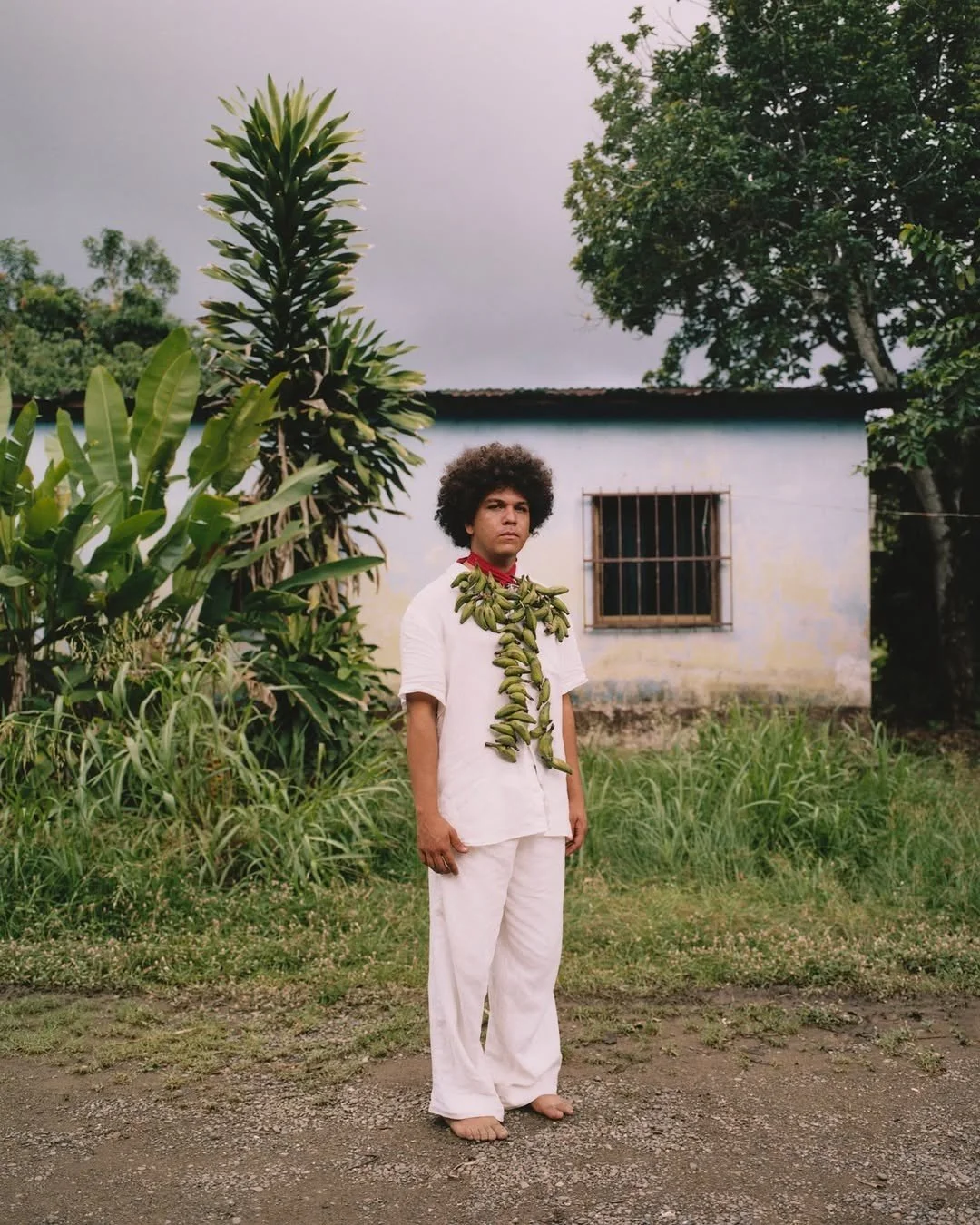
continue the conversation
The inaugural Awakkuna Territorial Encounters will launch in 2027.
If this approach to learning resonates with your work, we invite you to request the Awakkuna Territorial Encounters Prospectus.
The prospectus will include the complete program framework, cohort details, application process, accommodations, investment, and registration timeline.
Whether you are an individual researcher, a graduate student, a curator, a faculty member, or an institution exploring future participation, we would be delighted to continue the conversation.
Registration Opens Fall 2026
The Awakkuna Residency is a threshold — a carefully held space where the intelligence of the territory encounters the intelligence each participant brings.
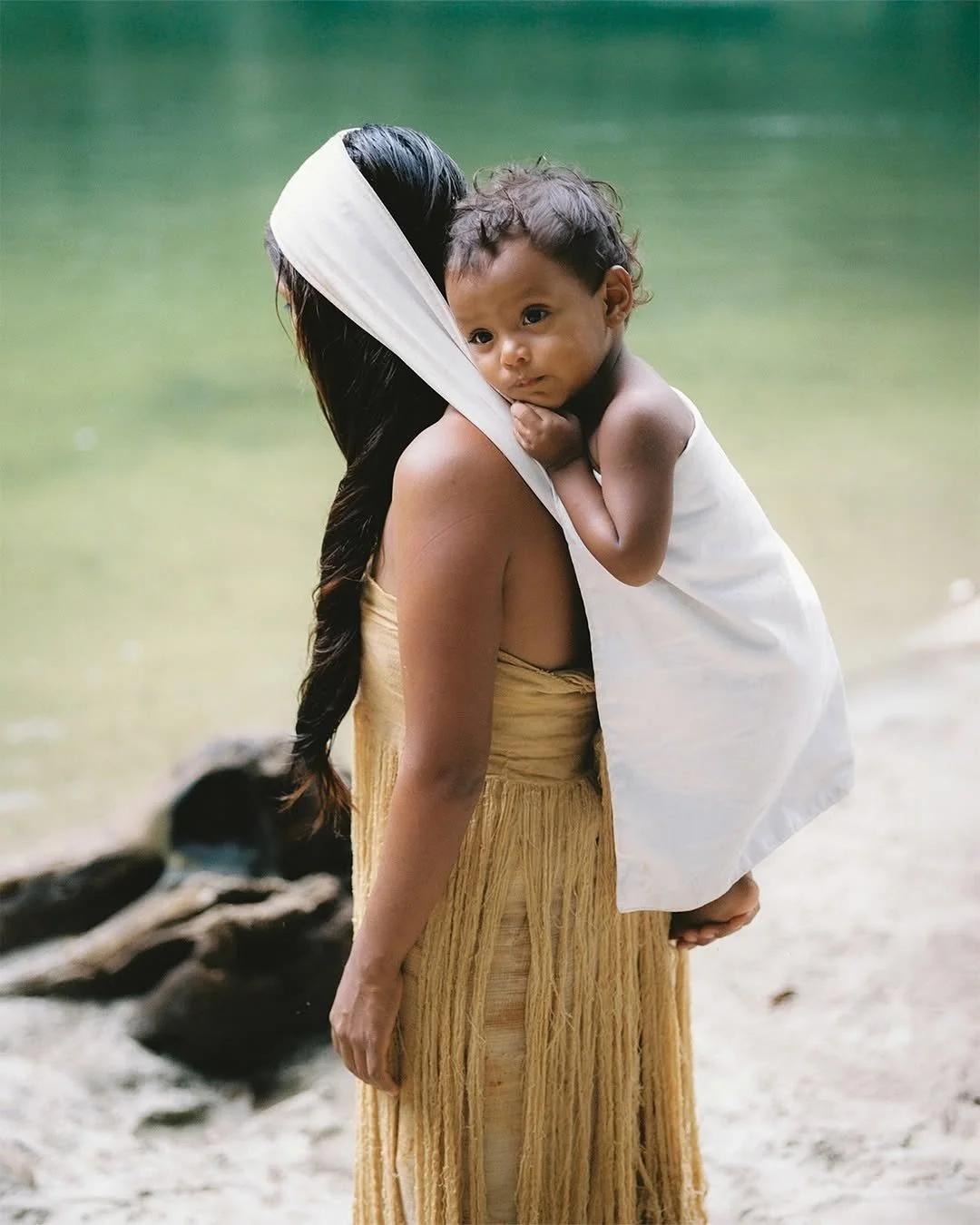
The framework shared here is an invitation rather than a fixed model. Each residency will respond to the rhythms of the territory, the communities with whom we collaborate, and the questions participants bring.
We look forward to welcoming you to Colombia.